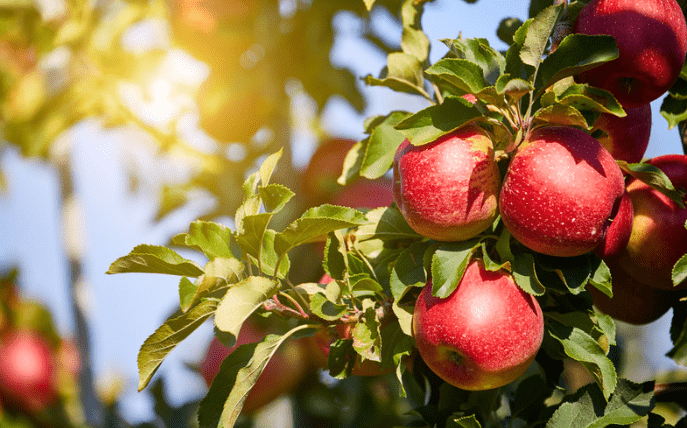
Nestled in the heart of Kullu Valley, the village of Kanyal is a picturesque haven, surrounded by lush apple orchards that stretch as far as the eye can see. Over the past month, I have been fortunate enough to witness the fascinating process of apple ripening—from raw greens to ravishing reds. However, beneath the beauty of these red apples lies a harsh reality that many are unaware of: the vibrant red color of these apples is not entirely natural but is the result of periodic chemical sprays that could pose potential health risks.
The Ripening Process: Natural vs. Chemical-Induced
During my stay, I observed a stark difference between apples that were treated with chemical sprays and those that were left untouched. The unsprayed apples, although they remained greenish-yellow and eventually took on a slight blush, were not only safe to eat but also tasted better—crisp, juicy, and bursting with flavor. In contrast, the sprayed apples turned a dark, unnatural red, and their taste, though visually appealing, lacked the freshness and authenticity of their unsprayed counterparts.
The Chemicals Behind the Red
The use of chemical sprays to enhance the color of apples is a common practice in many apple-growing regions, including Kullu. These sprays, primarily consisting of ethylene-producing agents and other synthetic chemicals, accelerate the ripening process and enhance the red pigmentation of the apple skin. While this may result in visually appealing fruit, these chemicals can leave residues on the apples, raising concerns about their safety for human consumption.
Health Risks Associated with Chemical Sprays
Several studies have highlighted the potential health risks associated with consuming fruits treated with synthetic chemicals. These risks include:
- Pesticide Residues: The chemicals used in these sprays can leave pesticide residues on the fruit, which may not be fully removed even with thorough washing. Long-term exposure to these residues has been linked to various health issues, including hormonal imbalances, neurological problems, and an increased risk of cancer.
- Allergic Reactions: Some individuals may experience allergic reactions to the chemicals used in these sprays, leading to symptoms such as itching, swelling, and difficulty breathing.
- Impact on Nutritional Value: The chemicals used to enhance the color of apples may also affect their nutritional content, reducing levels of essential vitamins and antioxidants.
Local Insight: A Conversation with Kanyal’s Residents
To validate my observations, I engaged in conversations with several locals who confirmed that the practice of spraying chemicals on apple trees to induce the red color is widespread. They explained that while these sprays help the apples fetch a higher market price due to their appearance, the trade-off is the potential harm to consumers. The locals also acknowledged that the unsprayed apples, though less attractive, are indeed tastier and safer to consume.
Statistics and Analytics
- Global Pesticide Usage: According to a report by the Food and Agriculture Organization (FAO), global pesticide use has been steadily increasing, with over 4 million tons used annually. In apple production, pesticides and chemical agents are among the most commonly used substances to enhance appearance and prolong shelf life.
- Health Impact: A study published in the Environmental Health Perspectives journal found that individuals with high exposure to pesticide residues in food had a 30% higher risk of developing chronic diseases such as diabetes and cardiovascular disorders.
| Type of Apple | Color | Taste | Health Risk | Market Price |
|---|---|---|---|---|
| Sprayed Apples | Dark Red | Less Flavorful | High (due to chemicals) | Higher |
| Unsprayed Apples | Greenish-Yellow | Crisp and Juicy | Low (natural) | Lower |
Conclusion
The experience in Kanyal has been both enlightening and concerning. While the allure of dark red apples is hard to resist, it’s essential to understand the implications of consuming fruits treated with chemical sprays. As consumers, we must prioritize health over aesthetics, opting for naturally ripened fruits that offer both safety and superior taste. The next time you bite into a beautifully red apple, remember that its color might be more than skin deep—it could be a sign of chemicals lurking beneath.
Call to Action
It’s time for a shift in consumer mindset. Let’s choose health over appearance and support organic farming practices that prioritize natural ripening processes. By doing so, we can enjoy the true taste of apples without compromising our well-being.