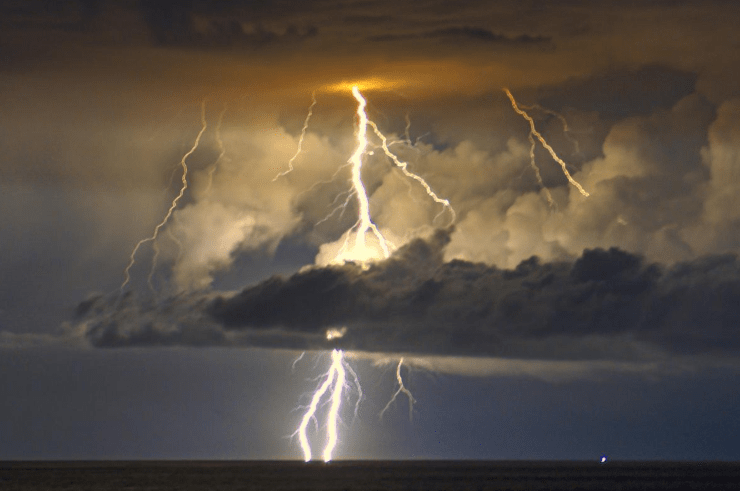
New York City was recently reminded of nature’s raw power when a 15-year-old boy was struck by lightning in Central Park during a sudden and severe thunderstorm. The incident, which occurred near the East Drive and East 100th Street, saw the teen seeking shelter under a tree when both he and the tree were struck. While thankfully in stable condition with injuries to his neck, this close call serves as a critical reminder for all of us, especially those enjoying our city’s beautiful outdoor spaces, about the unpredictable and dangerous nature of lightning.
What Happened?
On Thursday, June 19, 2025, powerful storms rolled through Manhattan, prompting severe thunderstorm warnings. Around 3:30 p.m., the teen found himself caught in the downpour and sought refuge under a tree in Central Park. Unfortunately, this common instinct proved perilous as lightning chose that very tree, with the electrical current reportedly transferring to the boy’s metal chain necklace. Emergency services quickly responded, and the teen was transported to Columbia University Irving Medical Center, where he is recovering.
Witnesses described the moment as terrifying, a stark reminder of how quickly conditions can change during a storm. The incident also highlighted the widespread impact of the storms, with uprooted trees and flooded streets reported across the boroughs.
The Dangers of Lightning: More Common Than You Think
While the odds of being struck by lightning are less than one in a million, it’s a phenomenon that injures hundreds and kills around 20 people in the U.S. each year. What’s crucial to understand is that lightning can strike even before rain begins or after it has ended, and as far as 10 miles from the storm’s center. If you can hear thunder, you are close enough to be struck.
Key Takeaways for Staying Safe Outdoors:
This incident underscores the importance of lightning safety, particularly when enjoying parks and other open areas. Here are vital tips to protect yourself and your loved ones:
- “When Thunder Roars, Go Indoors!” This is the golden rule. Don’t wait for the rain to start or the lightning to be visible. If you hear thunder, seek immediate shelter.
- Seek Sturdy Shelter: The safest places during a thunderstorm are large, enclosed buildings with plumbing or electricity, or a hard-topped, fully enclosed vehicle with windows rolled up. Small sheds, open structures (like pavilions or gazebos), tents, and partial shelters offer no protection.
- Avoid Isolated Tall Objects: As tragically demonstrated in Central Park, standing under an isolated tree is one of the most dangerous places to be. Lightning often strikes the tallest object in an area. If in a forest, seek shelter near a lower stand of trees.
- Steer Clear of Water and Metal: Water and metal are excellent conductors of electricity. Immediately get out of and away from ponds, lakes, rivers, and pools. Stay away from metal objects like fences, bleachers, and utility poles.
- If Caught Outdoors and No Safe Shelter is Nearby (Last Resort):
- Get off elevated areas (hills, ridges).
- Do NOT lie flat on the ground. Crouch down in a ball-like position with your head tucked and hands over your ears, minimizing contact with the ground.
- If in a group, spread out to avoid the current traveling between people if lightning strikes.
- Stay Indoors for at Least 30 Minutes: Wait at least 30 minutes after you last hear thunder before resuming outdoor activities.
What to Do If Someone is Struck by Lightning:
People who have been struck by lightning do not carry an electrical charge and can be safely handled. Immediate medical attention is crucial.
- Call 911 immediately.
- Assess the situation and scene safety. If there’s still a threat of lightning, move the victim to a safer location if possible (without causing further injury, especially if a head, neck, or back injury is suspected).
- Check for breathing and pulse. Lightning can cause cardiac arrest. If the person is not breathing or has no pulse, begin CPR immediately and continue until help arrives. If an AED is available and you are trained, use it.
- Treat for other injuries: Look for burns (often in two places: where lightning entered and exited), and address any other injuries like fractures or signs of shock.
- Reassure the person if they are conscious, and monitor their condition until EMS arrives.
The incident in Central Park is a powerful reminder that while lightning strikes are rare, their consequences can be severe. By understanding and adhering to lightning safety guidelines, we can all better protect ourselves and enjoy our outdoor spaces responsibly, even when the weather takes an unexpected turn. Stay safe out there!